

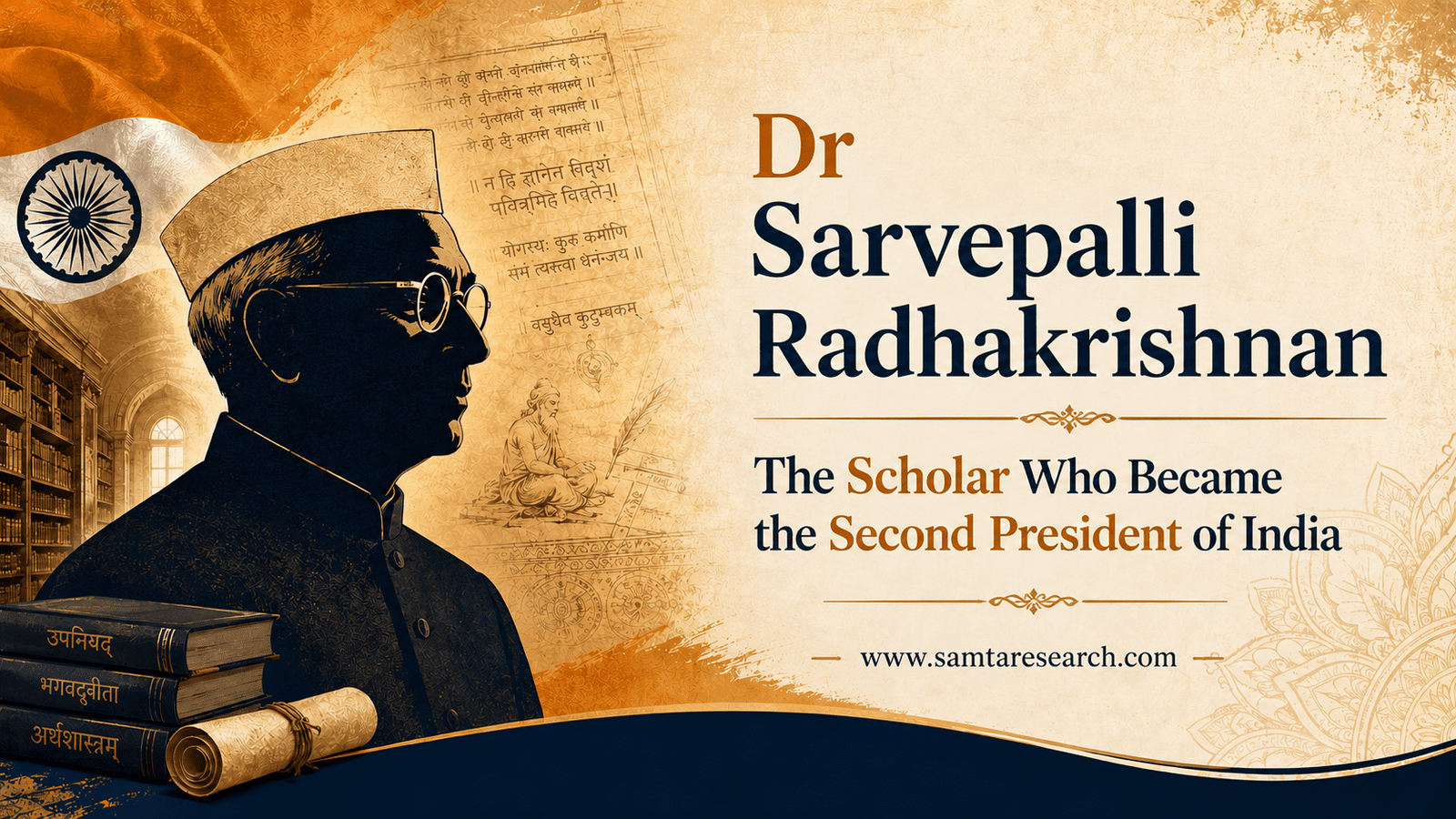
If we speak about people who have influenced the intellectual and political life of independent India, then the name of Dr Sarvepalli Radhakrishnan comes to the fore. He was a philosopher, an educator, a diplomat, and a statesman, and excelled in all of them. For most of his readers, his name will remain synonymous with that of the second President of India but to serious students of academic writing and research he is just as notable as a scholar who wrote his thesis when he was only twenty years old and established the tone for a lifetime of pioneering work.
Table of Contents
ToggleEarly Life and the Making of a Scholar
Dr Sarvepalli Radhakrishnan was born in Tiruttani, a small town in the erstwhile Madras state (now Tamil Nadu) on September 5, 1888. He grew up in relatively poor circumstances, and was mostly self financed to attend school because of his exceptional academic abilities. He attended Voorhees College in Vellore and then went on to study at Madras Christian College where he qualified for both the Bachelor and Master degrees in Philosophy by 1906.
During this period of time at Madras Christian College, a defining experience in his academic journey transformed his career. He received a harsh reaction from the westerners because of the critical remarks made against Hindu thought, especially the lack of ethics in the Vedanta philosophical tradition. Instead of ignoring the criticism, Radhakrishnan decided to face it squarely – with research.
The Thesis That Launched a Legend
This led to his master’s thesis, ” The Ethics of the Vedanta and Its Metaphysical Presuppositions ” which was one of the most important early works of modern Indian philosophical scholarship. In it, Radhakrishnan took on the challenge of defending Vedanta against the imputation that it was an unethical philosophy and established with insight and clarity that Indian philosophy had a strong moral tradition that had been overlooked and misunderstood by the Western critics.
It was the Guardian Press which published the thesis when Radhakrishnan was only about twenty years old. It was applauded by two of his teachers William Meston and Alfred George Hogg, and received audiences beyond the Madras Christian College, with its publication in such magazines as the Modern Review and The Madras Christian College Magazine.
The strength of the thought in this thesis is an important lesson for the students of today and the future, but so also is its academic audacity. It was not to please that Radhakrishnan wrote, it was to argue, defend and advance knowledge. That’s exactly the kind of academic writing for a purpose that constitutes really great research.
The Academic Career That Followed
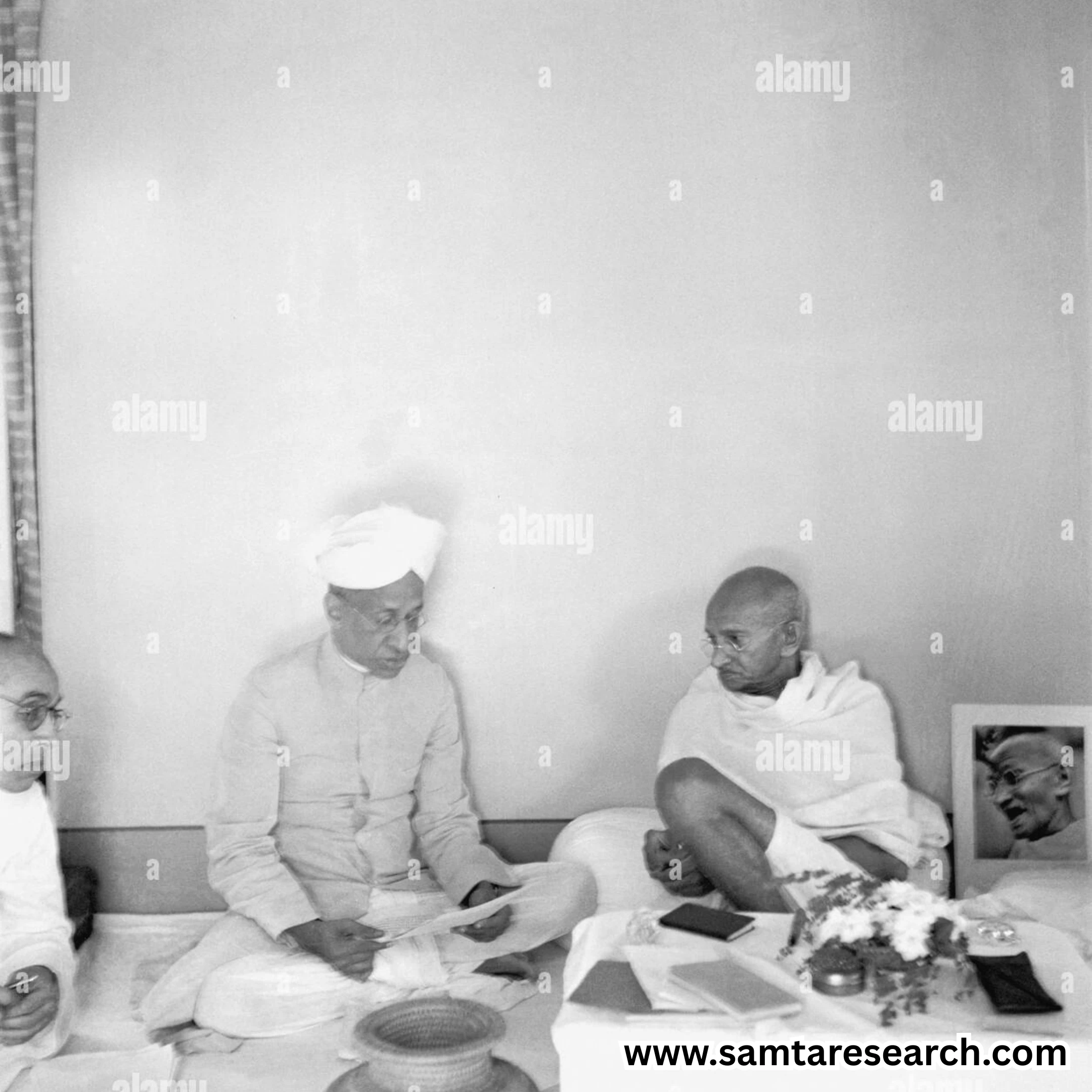
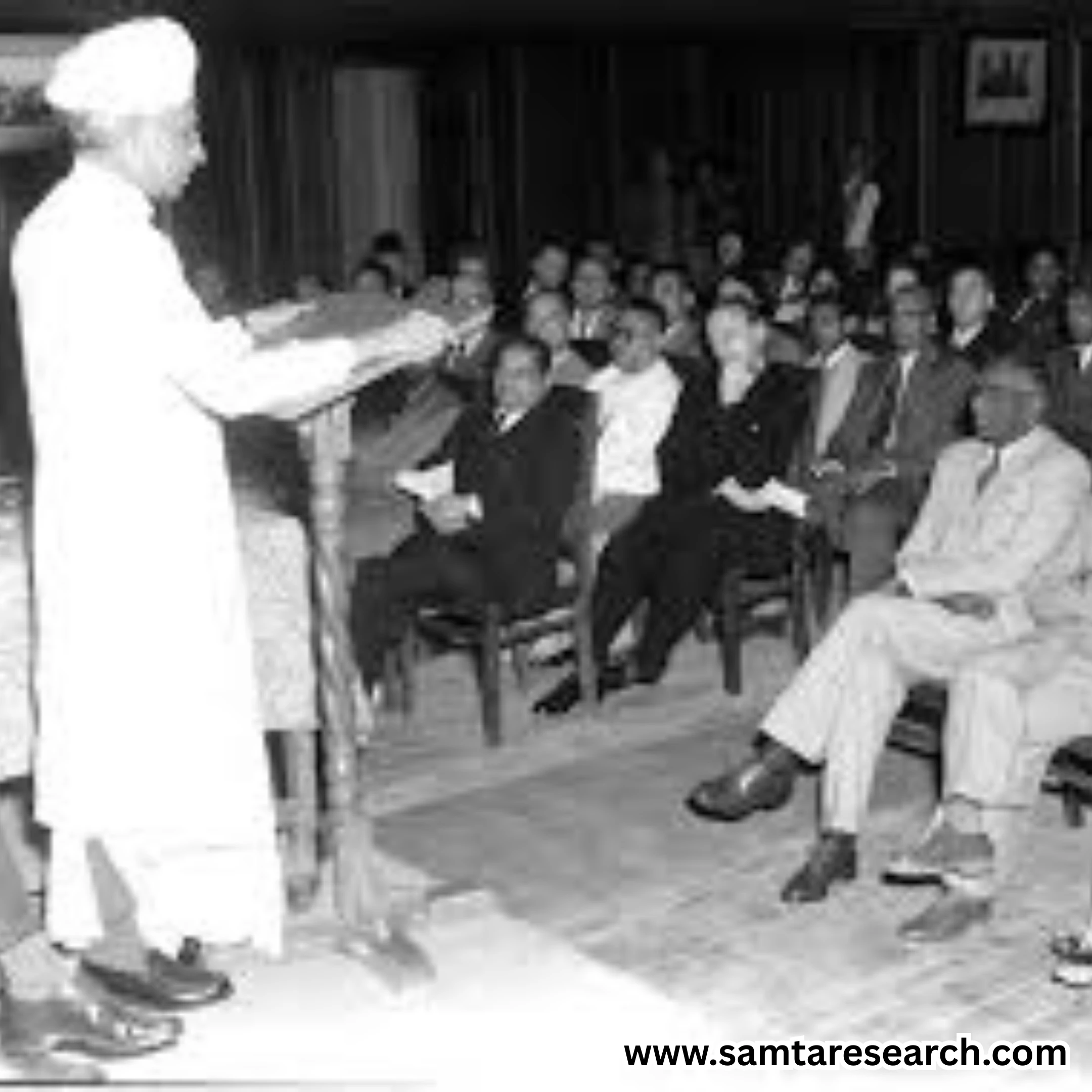
After the completion of his thesis, Dr Sarvepalli Radhakrishnan established one of the most renowned academic careers in Indian history. From 1909 he was lecturer in philosophy at the Madras Presidency College, and then professor at the University of Mysore and at the University of Calcutta, where he held the prestigious George V Chair in Philosophy from 1921.
In these years he produced a large number of articles, eighteen of which appeared in the West between 1914 and 1920, of which ten were in the main western journals, including The International Journal of Ethics, The Monist and Mind. Indian Philosophy was his ground-breaking two-volume publication which made Indian thought accessible to the rest of the world. Others include The Hindu View of Life, An Idealist View of Life, The Principal Upanishads and his renowned commentary on The Bhagavad Gita.
He was appointed in 1936 to the Spalding Chair of Eastern Religions and Ethics at the University of Oxford, putting him at the pinnacle of the academic world.
From Scholar to the Second President of India
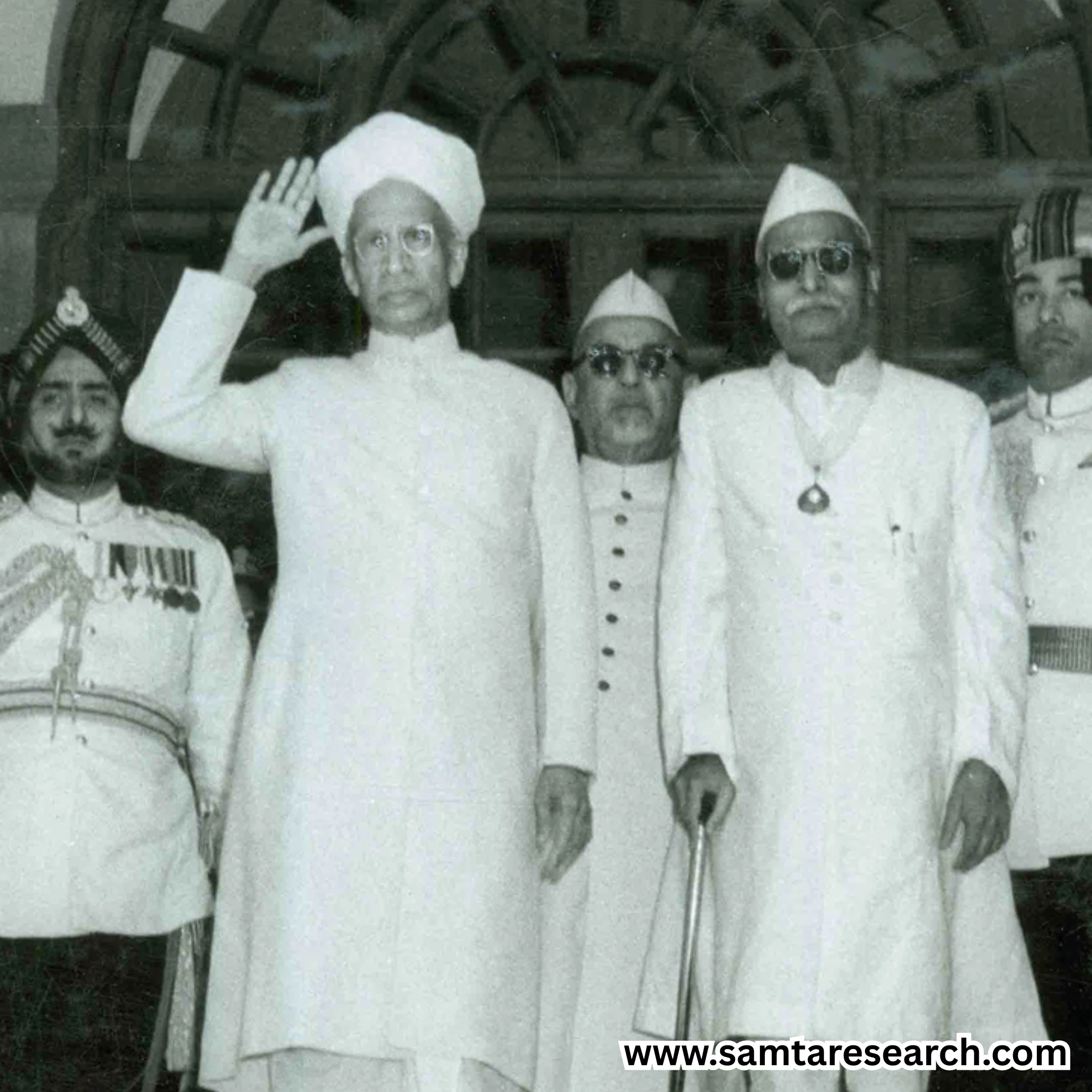
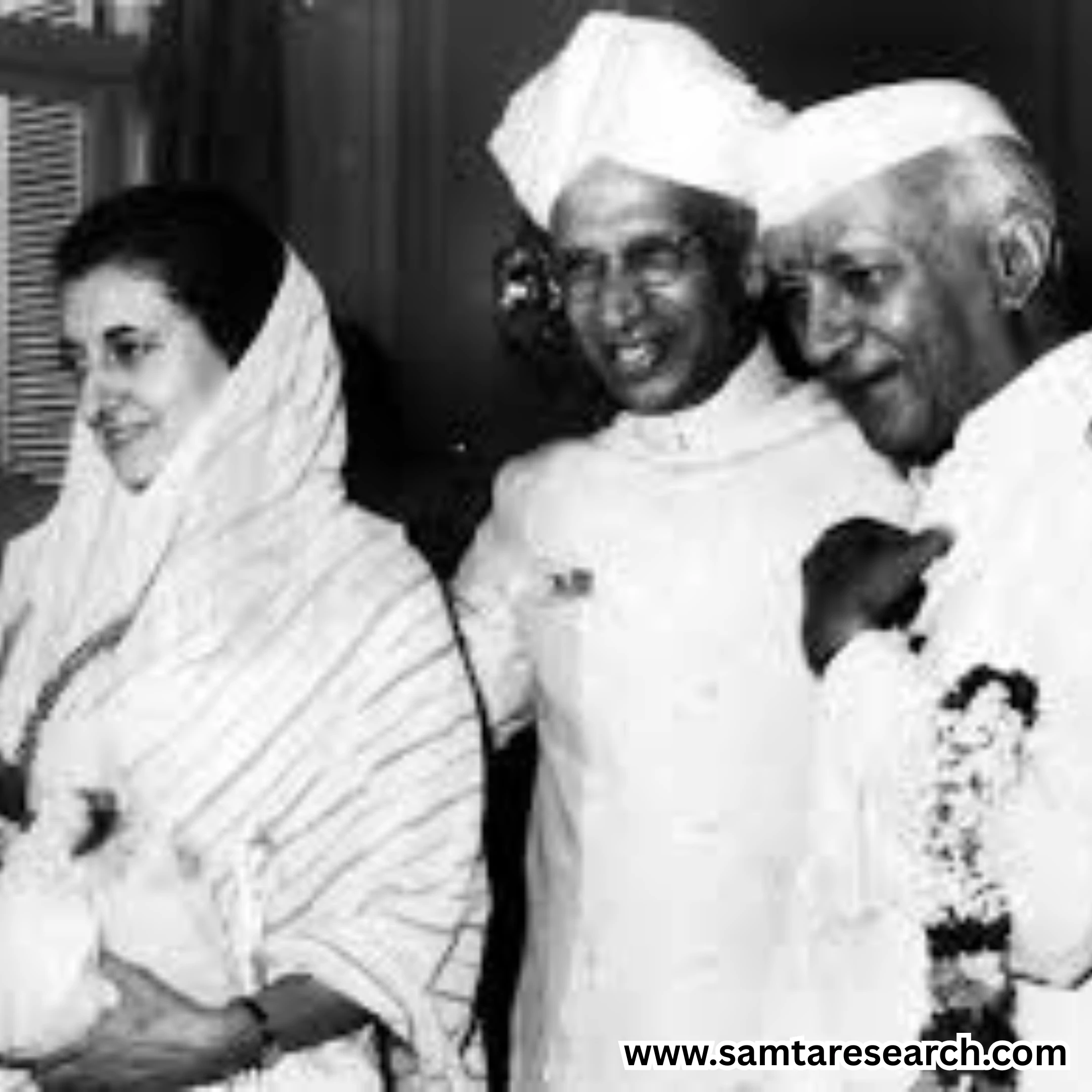
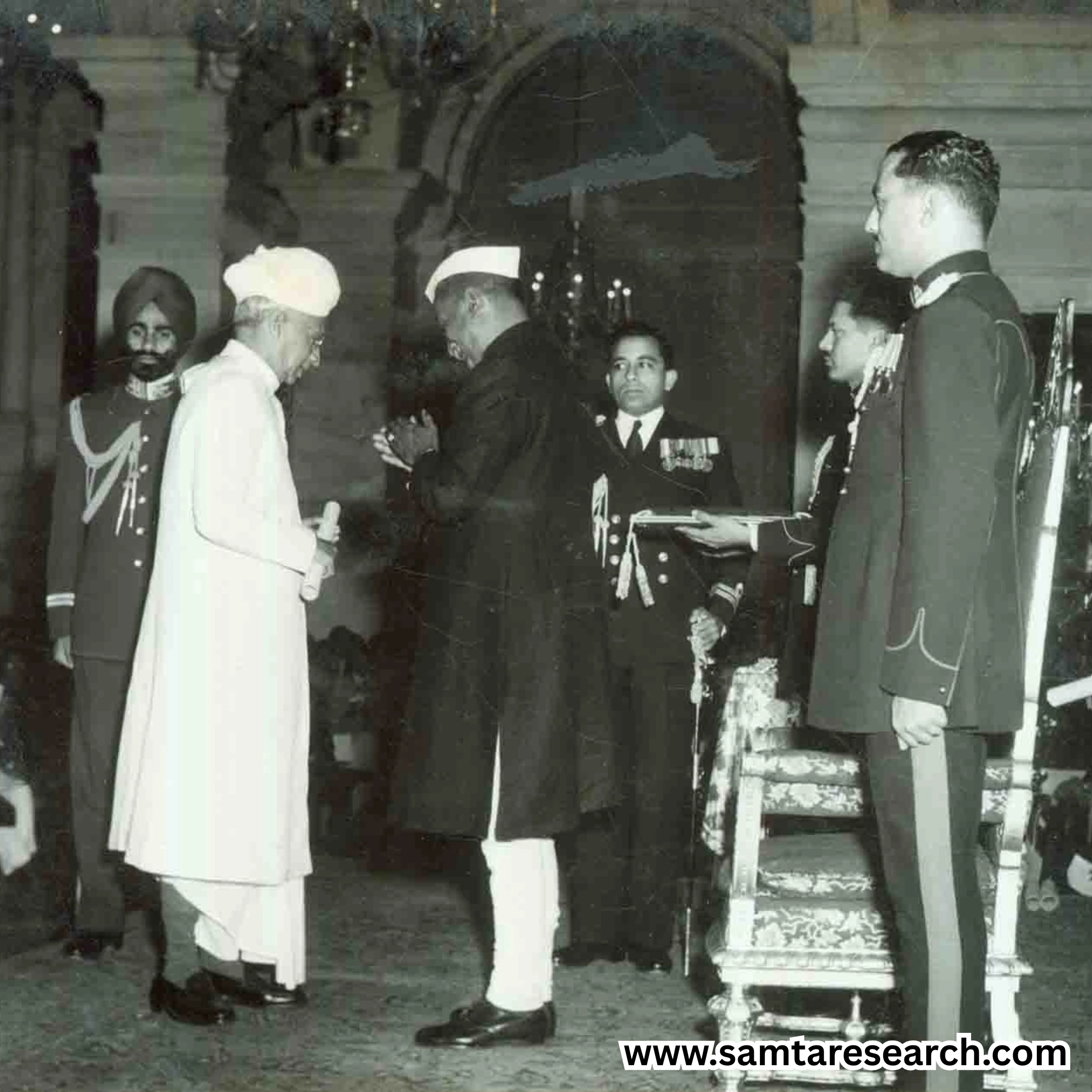
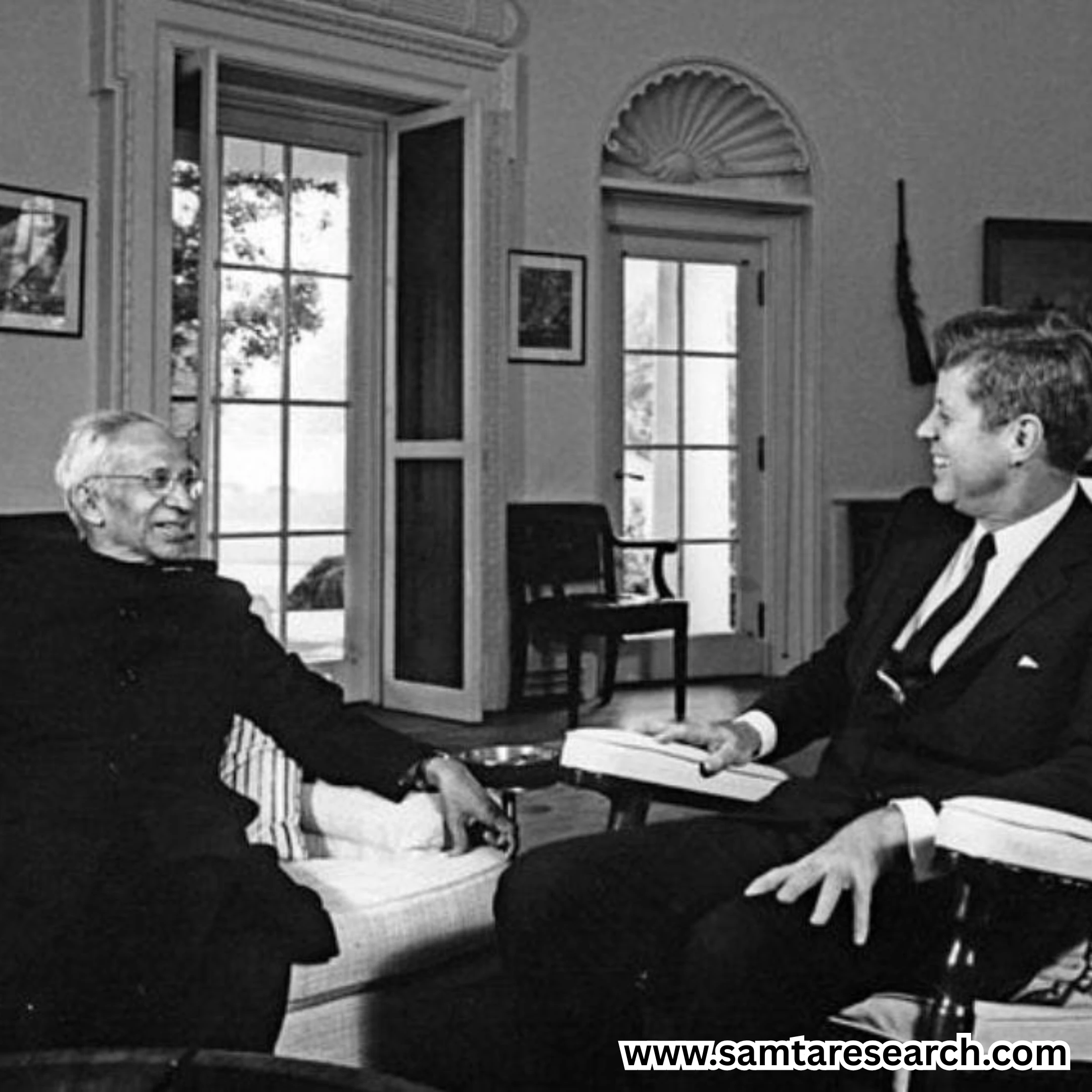
The conversion of a thesis-writing student in Madras to the 2nd President of India is an inspiring academic-to-statesman story indeed. India’s independence led to the status of philosopher and teacher that India awarded to Radhakrishnan, which made him a natural candidate for high public offices. He became Vice President of India in 1952 and was in office till 1962 under president Rajendra Prasad, and later, in 1962, became President till 1967.
In 1954 he was conferred the Bharat Ratna, India’s highest civilian honour and he was nominated several times for the Nobel Prize in Literature and Peace. Every year, his birthday, 5 September, is celebrated as Teachers’ Day in India, as he always believed that education has the power to change lives.
What Radhakrishnan's Thesis Teaches Today's Research Scholars
Today, when students and scholars are working on their own PhD theses, dissertations and research papers, the story of Dr Sarvepalli Radhakrishnan’s thesis provides some timeless lessons.
Choose a topic that matters: Get a point on the table. Radhakrishnan didn’t choose a safe, edgy topic. He challenged one of the most controversial issues of his era – the moral position of Indian philosophy – and took a stand on it, presenting evidence, logic, and scholarly rigor.
Write with conviction: His thesis wasn’t a simply academic exercise. That was a dedicated intellectual exchange and that faith held it together. In all research work written with a real purpose, there will be a difference in the style of the writing from any other research that is done only for the degree.
Engage critically with existing literature: Critically discuss literature.
Before he had written a word of his thesis, Radhakrishnan was steeped in the ideas of Western philosophers, particularly Berkeley, Kant, Hegel and Spinoza. The criticism he had heard first-hand. The best researchers always consider alternative perspectives carefully, before developing a case.
Present your findings clearly: Summarize your results in a concise and coherent manner. In spite of the subject’s complexity Radhakrishnan’s thesis was readable and publishable at the age of 20. Academic writing should not be unclear, it should be clear.
Conclusion
Dr Sarvepalli Radhakrishnan has been one of the most comprehensive scholars that this country has ever produced. His thesis at the age of 20 sowed the seeds that would culminate in him becoming the second President of India at Rashtrapati Bhavan. His life has demonstrated that a strong, scholarly, and goal-oriented approach to academic writing is not only the key to a better education, it’s the building blocks for a better career, and a better life.
Today’s researchers who are struggling with their thesis/dissertations or publications can take it from me that the quality of your research writing can affect the rest of your life.
For More Such As Information Do Follow Samta Research Alliance .
